Why Alexandra Script is a Game-Changer for Modern Designers
When it comes to typography, the right font can make all the difference in visual communication. Among the many typefaces available, Alexandra Script stands out as a versatile and elegant choice that blends creativity with functionality. Whether you're working on branding, web design, or print materials, Alexandra Script offers a unique blend of style and usability that appeals to both designers and end-users.
The Unique Characteristics of Alexandra Script
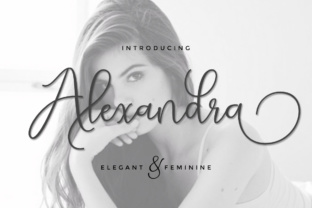
One of the most notable features of Alexandra Script is its flowing, cursive design that mimics natural handwriting. This gives it a personal and authentic feel, making it ideal for projects that require a touch of elegance or warmth. Unlike more rigid typefaces, Alexandra Script has a softness that invites readability while maintaining a sense of sophistication.
The font’s curves and strokes are carefully balanced, ensuring that even at smaller sizes, it remains legible. This makes it particularly useful for headers, logos, and other design elements where clarity is essential. Additionally, its open counters and consistent spacing help maintain a clean look across different mediums, from digital screens to printed documents.
Applications in Modern Design Workflows
Designers today rely on a wide range of tools and resources to bring their creative visions to life. Alexandra Script fits seamlessly into these workflows, especially when used in conjunction with graphic design software like Adobe Photoshop, Illustrator, or Figma. Its compatibility with vector formats ensures that it scales without losing quality, which is crucial for high-resolution outputs.
In branding, Alexandra Script can be used to create distinctive logos that convey a sense of authenticity and artistry. For instance, a boutique clothing brand might use it to give its logo a handcrafted feel, reinforcing the idea of personalized service and attention to detail. Similarly, wedding invitations often benefit from the font’s romantic and refined appearance, adding a touch of class to event communications.
Use Cases Across Industries
The versatility of Alexandra Script extends beyond just design work. It finds applications in various industries, including fashion, hospitality, and education. In the fashion sector, it can be used for product labels, packaging, and promotional materials to evoke a sense of luxury and exclusivity. In hospitality, it’s commonly seen on menus, signage, and brochures, where its aesthetic appeal enhances the overall customer experience.
For educational institutions, the font can be used in presentations, course materials, and promotional content to add a professional yet approachable tone. Its readability also makes it suitable for e-learning platforms, where clear and engaging text is essential for student comprehension.
Practical Benefits of Using Alexandra Script
One of the key advantages of Alexandra Script is its ability to enhance visual storytelling. By using this font, designers can create a narrative that resonates with their audience, whether it’s through a compelling website header, an eye-catching social media post, or a beautifully designed brochure. The font’s expressive nature allows it to convey emotion and personality, which can be especially valuable in marketing campaigns.
Another practical benefit is its adaptability. While it’s primarily a script font, it can be paired effectively with sans-serif or serif typefaces to create contrast and balance in a design. For example, pairing Alexandra Script with a clean, modern sans-serif like Helvetica or Arial can produce a striking visual effect that draws attention without overwhelming the viewer.
Considerations When Choosing Alexandra Script
Before adopting Alexandra Script, it’s important to consider the context in which it will be used. While it excels in certain applications, it may not be the best choice for body text in long-form content due to its intricate details, which can reduce readability. In such cases, a more traditional typeface might be more appropriate.
Additionally, designers should ensure that they have the proper licensing for commercial use. Many fonts, including Alexandra Script, come with specific terms that dictate how they can be used in different projects. Checking these terms before integrating the font into a design is a critical step in avoiding legal issues down the line.
Recommendations for Effective Use
To get the most out of Alexandra Script, consider the following tips. First, use it sparingly to maintain visual hierarchy. Overusing the font can lead to cluttered designs that distract from the main message. Second, experiment with different weights and styles if available. Some versions of the font offer variations that allow for greater flexibility in design.
Finally, test the font across multiple platforms and devices to ensure consistency. What looks great on a desktop monitor may appear differently on a mobile screen, so it’s important to verify that the font maintains its intended appearance in all contexts.
How Alexandra Script Fits Into Contemporary Design Trends
As design trends continue to evolve, the demand for fonts that combine aesthetics with functionality remains strong. Alexandra Script aligns well with current preferences for organic, humanistic typefaces that feel more authentic than their mechanical counterparts. This trend is evident in the growing popularity of hand-drawn and script-based fonts in both digital and print media.
Moreover, the increasing emphasis on personalization in branding and marketing has made fonts like Alexandra Script more relevant than ever. Consumers are drawn to brands that feel genuine and relatable, and the font’s expressive qualities can help reinforce that connection. Whether it’s through a logo, a tagline, or a social media caption, Alexandra Script adds a layer of individuality that sets a brand apart from the competition.