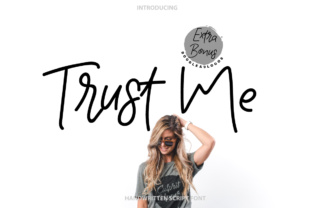
Trust Me: What It Means and Why It Matters
Trust Me is more than just a phrase—it's a powerful concept that shapes relationships, builds credibility, and influences decisions. Whether in personal interactions, business dealings, or online experiences, trust plays a central role in how we connect with others and make choices. Understanding what Trust Me means and how it works can help you navigate daily life more effectively.
In simple terms, Trust Me refers to the belief that someone or something is reliable, honest, and capable of delivering on promises. This concept isn't just about blind faith; it's about making informed judgments based on past experiences, consistency, and transparency. When you say "Trust Me," you're inviting others to rely on your word, actions, or expertise.
What Makes Trust Me Important?
Trust Me is essential in almost every area of life. In personal relationships, it fosters emotional security and mutual respect. In professional settings, it strengthens teamwork, collaboration, and client confidence. In digital spaces, it helps users decide which platforms, products, or services to engage with.
For example, when you choose a service provider, you're often relying on Trust Me. If a company has a good reputation, clear policies, and positive reviews, you're more likely to trust them with your time, money, or data. Similarly, in creative fields like writing, design, or content creation, Trust Me can build an audience that values your work and follows your journey.
How Trust Me Works in Different Contexts
Trust Me isn't one-size-fits-all. Its application varies depending on the situation and the people involved. Let's explore how it functions in different areas:
- Personal Relationships: Trust Me is the foundation of friendships, family bonds, and romantic partnerships. It involves honesty, accountability, and consistent behavior over time.
- Professional Environments: In workplaces, Trust Me supports leadership, employee engagement, and customer satisfaction. Leaders who demonstrate integrity and follow through on commitments earn the trust of their teams.
- Online Interactions: On social media, blogs, or e-commerce sites, Trust Me is built through transparency, user feedback, and ethical practices. A brand that communicates clearly and delivers on promises tends to gain loyal followers.
- Education and Learning: Students and educators rely on Trust Me to assess the credibility of sources, instructors, and learning platforms. Trust in educational content ensures that knowledge is accurate and valuable.
Why People Value Trust Me
People seek Trust Me because it reduces uncertainty and risk. When you trust someone or something, you feel more confident in your decisions. This sense of security can lead to better outcomes, stronger connections, and long-term success.
Consider a small business owner launching a new product. By building Trust Me through quality, reliability, and customer support, they can attract repeat customers and grow their brand. Similarly, a freelancer who consistently delivers on time and meets expectations earns a reputation that leads to more opportunities.
Examples of Trust Me in Action
Here are some real-world examples of how Trust Me works:
- Customer Reviews: Online shoppers often rely on reviews to decide whether to trust a product or seller. Positive feedback from other users increases confidence in the purchase.
- References and Recommendations: When hiring a professional, such as a contractor or consultant, people frequently ask for references. These testimonials serve as a form of Trust Me.
- Brand Loyalty: Companies like Apple or Nike have built strong Trust Me through consistent quality, innovation, and customer care. Their loyal fanbases trust their products and values.
- Content Creators: Influencers and bloggers who share authentic stories, insights, and advice often earn the Trust Me of their audience. This trust translates into engagement, subscriptions, and support.
Things to Consider Before Trusting Someone or Something
While Trust Me is valuable, it's important to approach it thoughtfully. Not all claims of trustworthiness are genuine, and not all situations are the same. Here are some key considerations:
- Check for Evidence: Look for proof of reliability, such as reviews, credentials, or past performance. Trust should be based on facts, not just words.
- Be Aware of Red Flags: Watch out for inconsistencies, exaggerated claims, or lack of transparency. These can signal a lack of Trust Me.
- Start Small: Build trust gradually by starting with low-risk interactions. As you gain confidence, you can move to more significant commitments.
- Stay Open-Minded: Trust Me isn't always immediate. It develops over time through repeated positive experiences and shared values.
How to Build and Maintain Trust Me
Building Trust Me requires effort, consistency, and authenticity. Here are some practical steps to help you establish and maintain trust:
- Be Honest: Always communicate openly and truthfully. People appreciate sincerity and are more likely to trust you if you’re upfront about your intentions and limitations.
- Follow Through: Keep your promises and meet deadlines. Reliability is a key component of Trust Me.
- Listen and Respond: Show that you value others' opinions and concerns. Active listening builds rapport and reinforces trust.
- Adapt and Improve: Be willing to learn from mistakes and grow. Demonstrating a commitment to improvement strengthens long-term trust.
Conclusion: Trust Me Is a Powerful Tool
Trust Me is more than just a phrase—it's a foundational element of successful relationships, effective communication, and meaningful progress. Whether you're building a career, managing a team, or connecting with others online, understanding and applying Trust Me can make a big difference.
By being mindful of how Trust Me works and how to cultivate it, you can create stronger connections, make better decisions, and achieve your goals with greater confidence. Remember, Trust Me isn't about perfection—it's about consistency, integrity, and the willingness to earn and maintain it over time.