FontBall: A Unique Approach to Font Selection and Design
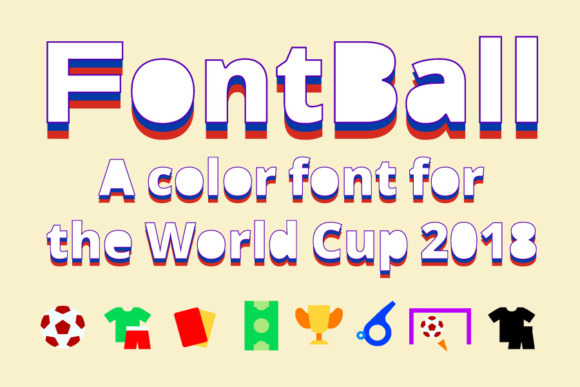
FontBall is a digital tool designed to help designers, developers, and content creators explore and select fonts in a more interactive and intuitive way. Unlike traditional font libraries or search tools, FontBall offers a visual, dynamic experience that emphasizes the relationship between typography and design aesthetics. Its primary goal is to simplify the process of finding the right font for a specific project while maintaining a focus on style, readability, and usability.
What Makes FontBall Distinct?
FontBall distinguishes itself through its unique interface and approach to font discovery. Instead of relying solely on keyword searches or category filters, it uses a visual grid system where users can see how different fonts look in real-time across various text samples. This allows for a more immediate and accurate assessment of how a font will perform in different contexts.
The tool also incorporates a feature that lets users adjust font size, spacing, and weight dynamically, giving them a better sense of how the font will appear in actual use. This level of interactivity is not commonly found in other font platforms, making FontBall particularly useful for those who need to make quick, informed decisions about typography.
Comparing FontBall with Other Tools
When comparing FontBall with other font selection tools, it’s important to consider the user’s workflow and design goals. Traditional platforms like Google Fonts or Adobe Fonts offer extensive libraries but often require more time to sift through options. FontBall streamlines this process by focusing on visual comparison and immediate feedback.
For example, if a designer is working on a website layout, they might use Google Fonts to find a suitable typeface, then test it in their design software. With FontBall, the same process can be completed within the tool itself, reducing the need to switch between applications. This efficiency can be a significant advantage for professionals who prioritize speed without compromising quality.
Strengths and Tradeoffs of FontBall
One of the main strengths of FontBall is its emphasis on visual comparison. This makes it ideal for users who are not deeply familiar with typography terminology but still want to make informed choices. The ability to see fonts in action across different sample texts helps users understand how a font will perform in real-world scenarios.
However, FontBall may not be the best choice for users who require advanced customization options or access to a broader range of font families. While it offers a curated selection, it may not include some niche or specialized fonts that are available on other platforms. Additionally, the tool’s focus on simplicity could be seen as a limitation for users who prefer more detailed filtering and sorting options.
Best-Fit Situations for FontBall
FontBall is particularly well-suited for projects that require quick decision-making and a visual approach to typography. For instance, a marketing professional creating a social media campaign might use FontBall to quickly identify a font that aligns with the brand’s visual identity. The tool’s ease of use and immediate feedback can save time and reduce the risk of choosing an unsuitable typeface.
It is also beneficial for teams that work collaboratively on design projects. By providing a shared interface where multiple users can view and compare fonts, FontBall can facilitate more efficient communication and alignment on design choices. This is especially useful when team members have varying levels of expertise in typography.
Limitations and Considerations
While FontBall offers many advantages, it’s important to recognize its limitations. The tool may not support all font formats or provide the same level of detail as dedicated font management systems. Users who need to integrate fonts directly into design software or code may find that FontBall lacks certain export or compatibility features.
Additionally, the effectiveness of FontBall depends on the quality of the font library it provides. If the selection is limited or outdated, users may not find the right typefaces for their needs. It’s also worth noting that the tool’s interface, while intuitive, may take some time to master for users accustomed to more traditional font browsing methods.
When to Choose FontBall Over Alternatives
FontBall is a strong choice when the primary goal is to quickly find a visually appealing font that fits a specific design context. For example, a small business owner looking to create a logo or a website header might find FontBall more accessible than other platforms that require more technical knowledge or time investment.
It’s also a good option for users who are new to typography and want to explore different styles without getting overwhelmed by complex settings or terminology. The tool’s focus on visual comparison can help these users make more confident decisions based on what they see rather than what they don’t fully understand.
When to Consider Other Options
For users who need more control over font selection or require access to a wider range of typefaces, alternatives like Typekit, Font Squirrel, or even custom font services may be more appropriate. These platforms often offer larger libraries, more detailed filtering options, and integration with design tools that FontBall does not support.
Additionally, if a project requires highly specific typographic adjustments—such as ligatures, kerning, or language support—other tools may provide more comprehensive solutions. In such cases, FontBall may serve as a starting point for exploration, but further refinement would likely be needed using more specialized software.
Realistic Use Cases and Practical Comparisons
Consider a scenario where a freelance graphic designer is tasked with creating a brochure for a client. They might start by using FontBall to narrow down potential fonts based on visual appeal and fit. Once they have a shortlist, they could then move to a more detailed platform like Adobe Fonts to fine-tune their choices and ensure compatibility with the design software they’re using.
Another example involves a web developer building a new site. They might use FontBall to quickly find a font that matches the site’s aesthetic, then download it from Google Fonts for implementation. This hybrid approach leverages the strengths of both tools, combining FontBall’s visual clarity with the broader availability of other platforms.
Conclusion: Making an Informed Decision
FontBall offers a valuable alternative to traditional font selection methods, particularly for users who prioritize visual comparison and ease of use. Its interactive interface and focus on real-time feedback can streamline the process of finding the right font for a given project. However, it’s important to evaluate its strengths and limitations in the context of specific needs and workflows.
By understanding when FontBall is the right choice and when other tools may be more suitable, users can make more informed decisions about their typography needs. Whether used alone or in combination with other resources, FontBall can be a helpful addition to any designer’s toolkit.