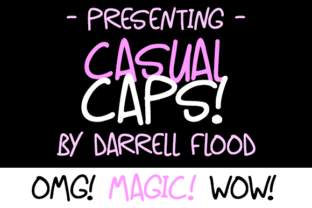
Casual Caps: A Simple Style for Everyday Use
Casual Caps is a style of writing that blends the formality of standard capitalization with the relaxed tone of informal communication. It’s not about ignoring grammar or spelling rules, but rather about using uppercase letters in a way that feels natural and approachable. This style has become increasingly popular in digital spaces where clarity and friendliness matter.
Whether you're crafting a social media post, an email, or a blog comment, Casual Caps can help you strike the right balance between professionalism and personality. It’s especially useful when you want to maintain a clear message without coming across as overly rigid or stiff.
What Makes Casual Caps Unique?
Casual Caps isn’t just about mixing uppercase and lowercase letters—it’s about intention. Unlike all-caps, which can feel aggressive or shouting, Casual Caps uses capitalization selectively to emphasize key words or phrases. This makes it ideal for situations where you want to highlight important points without overwhelming your audience.
One of its most notable characteristics is its flexibility. You can apply it to short messages, long-form content, or even formal documents. The key is to use it consistently and thoughtfully. For example, instead of writing "I AM EXCITED ABOUT THIS PROJECT," you might say "I’m excited about this project" or "I’m excited about this Project." Both versions are more engaging than all-caps while still conveying enthusiasm.
Why Casual Caps Matters in Modern Communication
In today’s fast-paced digital world, how we communicate can make or break our interactions. Casual Caps helps bridge the gap between casual and formal language, making it easier to connect with a wide range of audiences. It’s particularly useful for professionals who need to maintain a polished image while still appearing relatable.
For instance, a marketing team might use Casual Caps in email subject lines to grab attention without sounding pushy. A teacher could use it in student feedback to keep the tone positive and encouraging. Even in customer service, Casual Caps can help reduce the perception of robotic or impersonal responses.
Practical Applications of Casual Caps
Casual Caps isn’t just a stylistic choice—it’s a practical tool that can enhance various aspects of daily life. Here are some real-world scenarios where it shines:
- Personal Communication: When sending a text message or social media post, Casual Caps can add a touch of personality without being over the top.
- Professional Settings: In emails or presentations, it can help reinforce key points while keeping the overall tone friendly and approachable.
- Educational Contexts: Teachers and students can use it to make written assignments more readable and engaging, especially in collaborative environments.
- Creative Projects: Writers, designers, and content creators often use Casual Caps to add visual interest to headings, captions, or labels without disrupting the flow of the main text.
- Digital Marketing: Brands can leverage Casual Caps in slogans, ads, and social media content to create a more authentic and relatable brand voice.
Benefits of Using Casual Caps
The advantages of Casual Caps extend beyond aesthetics. It can improve readability, reduce misinterpretation, and foster better engagement. By using capitalization strategically, you can guide your reader’s attention and make your message more memorable.
For example, in a business proposal, using Casual Caps for key terms like "Project Timeline" or "Budget Overview" can help readers quickly identify important sections. In a blog post, it can make headings more dynamic and visually appealing without sacrificing clarity.
Another benefit is its impact on user experience. When people see well-structured, easy-to-read content, they’re more likely to stay engaged and return for more. Casual Caps contributes to this by making text feel less intimidating and more accessible.
How to Implement Casual Caps Effectively
Using Casual Caps doesn’t require any special tools or training—just a bit of awareness and practice. Start by identifying the words or phrases that need emphasis, then apply capitalization where it makes sense. Avoid overusing it, as too much can dilute its impact.
Here are a few tips to keep in mind:
- Use it for emphasis, not for every word: Highlight only the most important elements to avoid cluttering your text.
- Keep it consistent: If you start using Casual Caps in one part of your content, try to maintain that style throughout.
- Test it with your audience: See how your readers respond and adjust based on their feedback.
- Balance it with other formatting: Combine it with bold, italics, or underlines to create a more dynamic visual hierarchy.
When Not to Use Casual Caps
While Casual Caps has many benefits, it’s not always the best choice. In highly formal settings, such as legal documents, academic papers, or official reports, sticking to standard capitalization is usually safer. Overuse or misuse can also lead to confusion, especially if your audience isn’t familiar with the style.
Additionally, in some cultures or industries, all-caps or excessive capitalization may be seen as unprofessional or disrespectful. Always consider your audience and context before deciding to use Casual Caps.
Final Thoughts on Casual Caps
Casual Caps is more than just a trend—it’s a practical approach to communication that can enhance clarity, engagement, and readability. Whether you're writing for work, school, or personal projects, understanding how and when to use it can make a big difference.
By embracing this style, you can create content that feels authentic, professional, and approachable. And as you experiment with it, you’ll likely find new ways to express yourself and connect with others. After all, the goal of communication is to be understood—and Casual Caps can help you do that more effectively.